Quick Navigation: What's Inside
- The Core Risk: One Company, All Your Money
- Market Risk vs. Company-Specific Risk: What's the Difference?
- Concentration Risk: The Egg Basket Problem
- The Quiet Dangers: Debt, Scandals, and Insider Selling
- Sector and Geopolitical Risks: The Macro Danger
- Behavioral Risks: Your Own Brain Is the Enemy
- The Hidden Costs: Opportunity Cost and Taxes
- How to Measure Single-Stock Risk Before You Buy
- Practical Ways to Lower Single-Stock Risk (Without Nuking Returns)
- FAQ: Investor Questions on Single-Stock Risk
Let me get this out of the way: if you're thinking about buying shares of a single company, you're stepping into one of the riskiest corners of investing. I've been managing money for individual investors for over a decade, and I've watched people blow up their portfolios by ignoring the risks of buying one company's stock.
Most finance blogs give you a generic warning like 'diversify' and move on. That's not good enough. I want to walk you through exactly what can go wrong, why it happens, and how to figure out if a particular stock is a bet you can live with.
And no, I'm not going to tell you never to buy single stocks. I'm going to tell you how to avoid the mistakes that turn a good idea into a financial disaster.
The Core Risk: One Company, All Your Money
When you buy stock in a single company, your entire investment depends on that business keeping its promises. That's not just a slogan – it's the core risk. Unlike a mutual fund or an index ETF, you have zero buffer if that one company stumbles.
I remember a client who invested a huge chunk of his savings in a well-known airline stock because the tickets were always booked. He didn't bother to check the balance sheet. A year later, the airline announced they were grounding flights and burning cash. The stock dropped 60%. He froze. 'But everyone flies them,' he kept saying. That's the trap.
Here's the thing: even the most solid-sounding company can fail. The market is unforgiving, and the price of a stock doesn't reflect the quality of the product alone. It reflects expectations. When those expectations break, the stock craters.
To be fair, the core risk is not just about bankruptcy. Companies can stay alive but still destroy shareholder value. Dilution, bad acquisitions, or simply failing to innovate can make a stock go nowhere while the market climbs. That's opportunity cost – a quieter, slower killer.
Market Risk vs. Company-Specific Risk: What's the Difference?
To understand single-stock risk, you need to separate two very different dangers.
- Market risk (systematic risk): This drags down everything. Think interest rate hikes, recessions, or a global pandemic. When the whole economy sneezes, all stocks catch a cold. You can't dodge that by picking a 'safe' company.
- Company-specific risk (unsystematic risk): This hits just one business. Bad earnings, a product recall, a CEO scandal, or losing a key customer. This is the danger you're taking on when you buy an individual stock instead of a diversified fund.
Here's the non-consensus take you won't hear from many advisors: most investors overestimate their ability to predict company-specific risks. They think they know the company because they use the product. But you don't sit in the boardroom. You don't see the hidden debt. I've seen professionals with intel get things wrong. As a retail investor, you're flying with one engine.
Another overlooked point: market risk and company risk often come together. A rising interest rate environment can crush a highly leveraged company far more than a debt-free one. So even if you've got a great company, the macro environment can amplify its weaknesses.
Concentration Risk: The Egg Basket Problem
Concentration risk is a fancy term for putting too many eggs in one basket. If a quarter of your savings sits in one company's stock, you're not investing – you're gambling with high stakes.
Let me give you a scenario: you put $20,000 into a hot software stock at $100. You truly believe in the growth story. The company reports great numbers, but the stock still falls because investors expected even better. That's a 20% drop in two weeks. You've lost $4,000. Meanwhile, a diversified fund holding the same stock might only dip 2%.
The damage from concentration isn't just the loss. It's the panic. When a single stock drops hard, you're more likely to sell at the worst time. I've seen it hundreds of times.
Here's a quick napkin math comparison:
| Investment Approach | $10,000 Investment | Stock Drops 50% | Your Total Loss |
|---|---|---|---|
| Single stock | 100% in stock A | Stock A -50% | -50% ($5,000 loss) |
| Diversified fund (e.g., S&P 500 ETF) | 15% in stock A | Stock A -50% | -7.5% ($750 loss) |
I know this isn't a revolutionary table. But the math matters: you have to be right twice as often as you're wrong just to stay flat. That's not a good game.
The Quiet Dangers: Debt, Scandals, and Insider Selling
Ok, you get it – single stocks are risky. But the really dangerous stuff is what you don't see. Let's talk about the three hidden killers.
Debt That Can Sink the Ship
A company with tons of debt looks fine when times are good. But when revenue slows, interest payments eat profits. I've seen manufacturing companies with 10% of their market cap in debt. A small shift in interest rates can destroy them. Always check the debt-to-equity ratio before you buy. If it's over 100%, ask yourself why.
Also, look at the maturity schedule. If most of a company's debt comes due in the next couple of years, and they can't refinance, that's a liquidity trap. I've watched solid companies go from 'healthy' to 'restructuring' in less than a year because of a debt wall.
Accounting Scandals and 'Creative Numbers'
You can't always spot fraud, but you can notice red flags. Unusually high revenue growth with weak cash flow? Overstated assets? Frequent accounting policy changes? I'm not saying become a forensic accountant, but if you can't understand how the company makes money, that's a red flag.
A classic example: Enron looked like a brilliant growth stock right up until it didn't. The earnings were real, but the cash flow was missing. Many investors learned the hard way that revenue recognition isn't the same as real revenue.
Insider Selling: The Silent Alarm
When executives dump their stock, they're often ahead of you. Insiders have more info than you do. A single insider sale might be fine (maybe they need cash). But if multiple top execs are selling while the stock is rising, it's time to ask tough questions. I've seen that pattern precede a huge crash.
Now, I don't want to turn you into a conspiracy theorist. Some insider sales are for tax planning, diversification, or a home purchase. But watch the pattern. Sales by the CEO and CFO in consecutive quarters should set off a siren in your head.
Sector and Geopolitical Risks: The Macro Danger
Many single stocks are tied to a specific sector. If you buy an oil company, geopolitical tensions can send it soaring or crashing. If it's a tech company, regulatory changes can hurt margins overnight. I've seen investors who thought they were buying a safe utility stock only to lose money because the state capped rate increases. You can't isolate a company from the world around it.
Let me give you a concrete example: imagine buying shares of a solar company because you support renewable energy. Then the government changes subsidies, and the stock halves. Your 'belief' didn't matter. Sector risk is real, and it often moves in sync with broader economic cycles.
If the company sells mostly in one country, a bad local election or trade war can hammer the stock. I've seen investors completely ignore geopolitical risk and pay the price. This is why I emphasize that even a 'great company' isn't a 'great stock.' The sector can drag it down.
Behavioral Risks: Your Own Brain Is the Enemy
The hardest part of investing in single stocks isn't spreadsheets – it's psychology. Your brain is wired to make you poor in the stock market.
Confirmation bias, for example. You buy a stock because you love the company's product. You then look for news that confirms your belief and ignore the growing debt. I've been guilty of this myself. It took a 40% loss to cure me.
Another trap is overconfidence. After a few winning trades, you start thinking you're a genius. So you increase your position size, just in time for a market correction. The key, I've learned, is humility. Set rules before you buy and follow them mechanically.
Let me give you a real example from my own portfolio. A few years back, I bought a biotech stock after a run-up. I felt invincible. The stock doubled, and I got greedy. I didn't take profits or trim. Then, a clinical trial failed, and the stock dropped 70% in a day. My ego cost me real money. That lesson shaped how I manage risk today.
The Hidden Costs: Opportunity Cost and Taxes
When a single stock underperforms, you lose more than the paper value. You lose the chance to have put that money into something that grows. Opportunity cost is a killer. A stock that goes sideways for five years, while the market triples, is a silent portfolio destroyer.
And don't overlook taxes. Frequent trading of a single stock can create capital gains taxes that eat into your returns. If you buy and sell within a year, you pay short-term gains – often higher than long-term. I've seen clients churn their stocks so much that they give up a third of their profits to the IRS. Taxes are even worse when you buy a stock that pays dividends – you may owe taxes each year even if the stock price doesn't move.
Another hidden cost is research time. You might spend hours each week reading about that one company. Is that time worth it? For most people, an index fund would have given similar returns with a few minutes of work. That's a real cost, even if not on a statement.
How to Measure Single-Stock Risk Before You Buy
You can't eliminate risk, but you can measure it. Here are four practical tools I use with my own clients.
- Beta coefficient: This tells you how volatile a stock is relative to the market. A beta of 2 means it swings twice as much as the S&P 500. If you're not comfortable with that, look for a lower beta.
- Liquidity and volume: If a stock trades thinly, even a small sell-off can cause wild price swings. Check the average daily volume.
- Earnings uncertainty: Look at how much earnings have varied over the past five years. A company with wildly fluctuating earnings is harder to value – and riskier to hold.
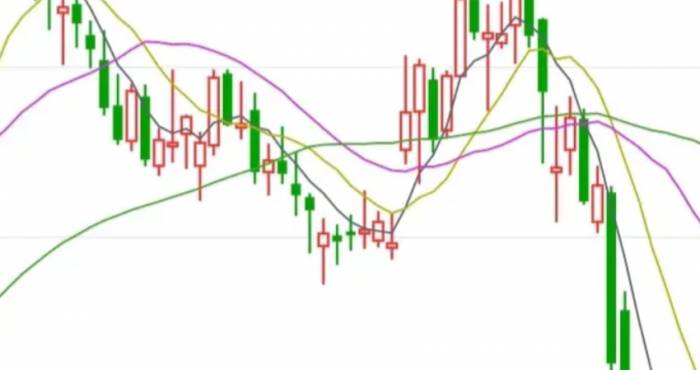
- Advance/decline trends (or price moving averages): I'm not a chartist, but a stock that keeps making lower lows is showing weakness. Don't fight the trend unless you have a solid reason.
Also, ask yourself: if you're wrong, how much will you lose? That's your position sizing – how much of your portfolio you're willing to put at risk. Professionals call it risk of ruin. If the worst-case loss knocks you out of the game, you've sized too big.
Practical Ways to Lower Single-Stock Risk (Without Nuking Returns)
Need to own a stock you love? Fine. Just follow these steps to keep your portfolio breathing.
- Set a position limit: I tell clients never to put more than 5% of their total portfolio in a single stock. That way, even a 50% crash only costs you 2.5% of your net worth.
- Dollar-cost average in: Buy a fixed amount each month rather than one giant lump sum. This smooths out your entry price over time.
- Diversify the rest: Keep the majority of your money in broad index funds. My favorite is a mix of S&P 500 and international ETFs. That's not lazy; it's smart.
- Use options cautiously: Buying puts can protect your downside, but options are complex and can cost more than they save. Skip this unless you truly understand it.
Here's a personal example. I once bought a semiconductor stock that I loved, but I capped it at 4% of my portfolio. When it dropped 40%, I was down just 1.6% overall. I didn't panic – I actually bought more. That only works when you structure your position with discipline.
Another tactic: set a trailing stop loss or an alert. A stop-loss isn't perfect, but it forces you to act before you're emotional. Just remember that in a market crash, orders may not fill at your limit.
FAQ: Investor Questions on Single-Stock Risk
This article is based on my personal experience as an investor and manager. Individual stock performance always carries risk, and past market behavior doesn't guarantee future outcomes. I recommend consulting a licensed financial advisor before making any investment decisions.